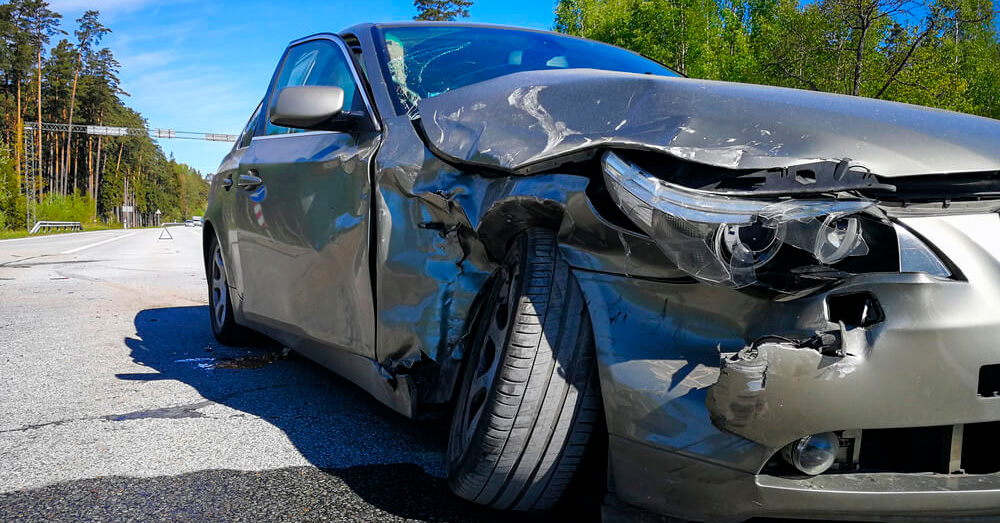
Auto insurance appraisals are designed to protect consumers and resolve valuation disputes in auto insurance claim disputes between insurers and the insured party. When you and your insurance company cannot agree on the value of your vehicle in case of total loss, or the cost of the vehicle after an accident in a diminished value claim, or the cost of repairs, this clause comes into play. The Appraisal Clause is one of the most useful and common clauses in auto insurance policies that the majority of policyholders are unaware of. The Appraisal Clause Auto Insurance is the most useful tool in your arsenal when negotiations fail during claim disputes.
Many auto insurance policies contain an appraisal clause; however, many people overlook this clause or misunderstand it. This clause permits policyholders and insurance companies to settle disagreements regarding the value of the vehicle or damages through an impartial or neutral third-party assessment. Either the insurer or the insurance holder can use the appraisal clause to have an appraiser determine the value of a claim if neither party can agree on a settlement amount.


If your insurance company accepts the validity of your claim but is unable to agree on your claim value, the appraisal clause paves the way out for both parties. Both you and your insurer can use separate/independent appraisers to ascertain the loss's value through an appraisal. This process helps resolve the conflict out of court and without starting legal proceedings, which saves money and time for both parties.
Understanding the Policyholder’s Right to Appraisal (RTA)

Invoking the appraisal clause and initiating the process has several benefits, including an efficient process, relative affordability compared to filing a lawsuit, and a more diplomatic approach to settlement. The policyholder has the option to select an impartial, qualified appraiser who is familiar with the specific dispute at hand and who can assist the policyholder in arguing for the highest possible award of compensation. When it's just a struggle between competing valuation experts, an appraisal will allow the parties to resolve the dispute without the need for months of discovery and a jury trial if it goes to court. Additionally, invoking an appraisal may occasionally result in a higher payout for the insured party if the insurance company's valuation justifications are complex or difficult to comprehend.
The appraisal clause in auto insurance policies can be used when a policyholder and insurance provider disagree on the value of a claim. This can include claim disputes over repair costs, market value of the vehicle, diminished value of a vehicle, or total loss settlements. However, the most common situations where invoking the appraisal clause is most beneficial are during a diminished value claim and total loss settlements.
Even after it has been repaired, the resale value of your car can drop following an accident due to its accident history. Making a diminished value claim is the best strategy to recover part or all of that lost value as long as you aren’t the at-fault driver. Even if your insurer accepts your claim, they may severely undervalue your vehicle. Using the Auto Insurance Appraisal Clause ensures an appraiser correctly evaluates your vehicle and that you’re compensated properly.
Insurance companies consider an insured vehicle to be a total loss when the cost of repairs exceeds its Actual Cash Value(ACV). Most states in the US use a total loss threshold to determine the percentage, which varies by state or insurance provider. Some insurers consider 70 to 75% a total loss, others consider 80% or more a total loss, and some use the Total Loss Formula to determine if a vehicle is a total loss or not.
If we use the total loss threshold, then if your insurer considers 75% value as the threshold. Let’s break it down for you.
Car Value - $20,000
Repair Cost - $18,000
Threshold - 75%
Since 18,000 is more than 75% of the total value, the car will be declared a total loss by the insurer. By invoking the Appraisal Clause Auto Insurance Total Loss claim allows an independent review of the insurance provider's vehicle valuation is allowed, which helps ensure that the settlement reflects the vehicle’s true market value and the policyholder’s claim is not undervalued.


Here’s a breakdown of how the process works after you decide to invoke the Auto Insurance Appraisal Clause.
First, you should read and review your insurance policy carefully, and then send an email to your insurance provider informing them of your decision to invoke the clause. We recommend hiring a legal counsel to simplify this process for you and to make sure the entire process goes smoothly.
You will be responsible for choosing and paying for your chosen appraiser and sharing any other appraisal costs with the other party. Make sure to select an appraiser who is knowledgeable and experienced with the appraisal clause process.
Both the appraiser chosen by your insurance company and by you will independently evaluate the car and the loss and share their conclusions.
A neutral third-party umpire will be selected to make a final decision if the two independent appraisers cannot agree on a settlement amount.
Once an agreement is reached between any two of the three parties (the independent appraisers and the neutral umpire), the agreed-upon value becomes the final claim amount granted to the policyholder.
Legal and professional support during the Appraisal Clause Auto Insurance process can make all the difference when resolving claim disputes. Experienced appraisers review your claim estimate, research your vehicle’s market value and market conditions, identify valuation mistakes made by your insurer, and document the nature of damages correctly. They help you navigate the process with ease and confidence, and ensure you, the policyholder, is awarded the settlement you deserve. Professional claims experts such as ADR Claims are the professional appraisal support and legal counsel you need for fair and equitable auto insurance settlements anywhere in the country.

Our quick and simple appraisal process can help you recoup vehicle-related losses.