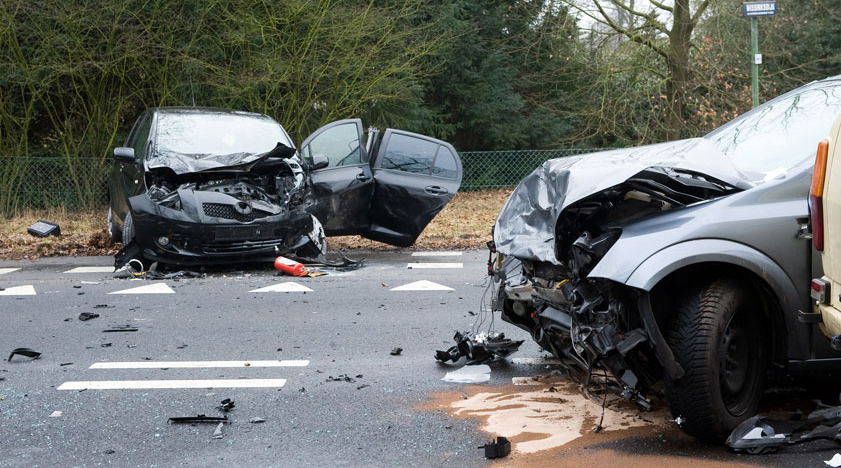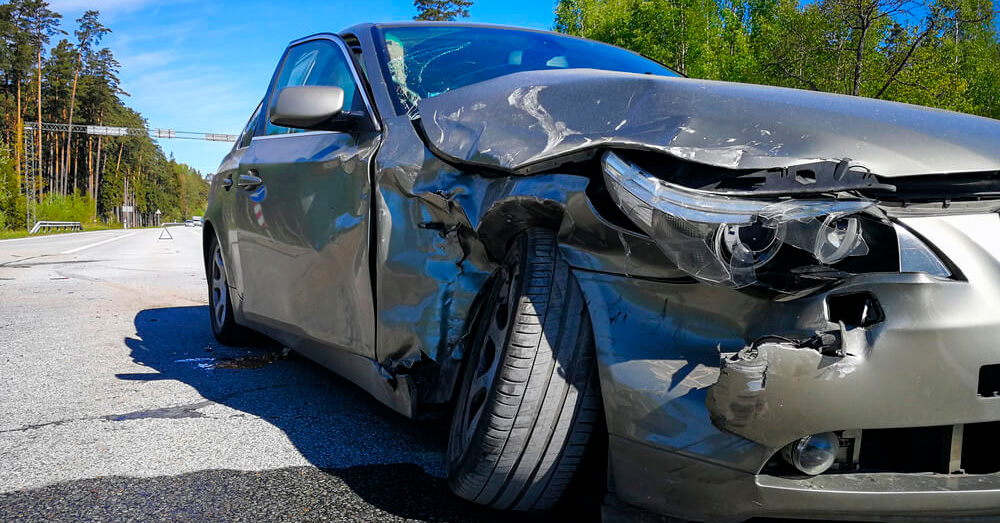

If repair of a car is not financially worthwhile, the vehicle is deemed a total loss. Insurers use a specified percentage of the vehicle’s pre-accident ACV to determine whether the vehicle is not worth repairing and its total loss threshold. Depending on the state and insurance policies, the threshold can range from 50% to 100%.
California doesn’t have a fixed percentage limit; instead, insurers use a TLF (total loss formula). Here, your vehicle is declared a total loss if its repair cost plus salvage value exceeds the car’s ACV (actual cash value) immediately before the crash.
Filing a total loss claim allows you to seek compensation after your vehicle is not worth repairing. Although the state allows 1 to 2 years to officially settle, you should file the claim ASAP. Insurers expect notification within 48 to 72 hours following a crash. In this region, total loss compensation is the vehicle's ACV before the crash. Insurers are also required to pay applicable sales tax, registration/title fees, and towing/storage fees.
Follow these steps to file total loss claims.
ADR Claims offers a bunch of auto services to help car owners.
If you are an insurance company or financial institution and need to assess the value of collateral for loans or insurance coverage, hire us. We offer professional stated-value appraisals to help.
Getting stuck in disputes is common for people. You don’t need to take the matter to court and drag it on for too long. We offer excellent arbitration and umpiring.
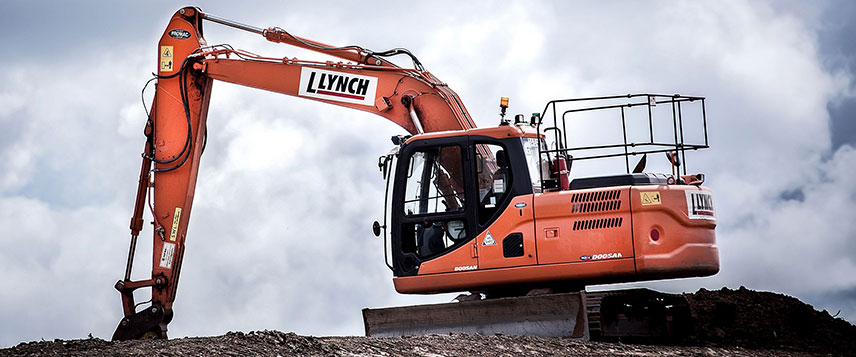
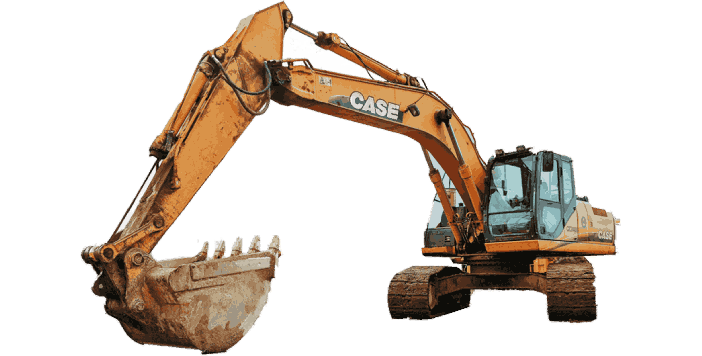
For those involved in construction, mining, or similar businesses and owning heavy equipment, we offer reliable heavy equipment appraisal. If your equipment is damaged and you are filing a claim, our assessment and market-backed report will strengthen your case and help you get a fair settlement.
With physical damage inspection, we thoroughly assess your damaged vehicle or other property. Based on the assessment, we can determine the extent of damage and calculate the repair cost.
Have you taken a car on lease, and is the lease term near its end? Let us inspect your car and assess its damage. We will determine whether your car meets the wear and tear criteria given in the lease agreement.
Met with a car crash and filing a diminished value claim? We will make sure you receive a fair settlement. Partner with us and we will provide you with a market-backed report after assessing your car. You can use this report to better negotiate with the insurer.
The following are reasons why people choose us for claims.
Filing total loss claims in California allows car owners to get compensation for their totaled vehicles. That is where ADR claims come in. We help you with it, and we are with you at all stages so you will receive a fair settlement. We combine all the necessary services to make it. Tell us about your condition.
Generally, a claim can be settled within a week. But this totally depends on the complexity of the case. If the case involves legal issues, it can take weeks.
The following documents are needed to file a claim.
Yes. I can keep the car after it’s considered a total loss. For this, I need to get a salvage title stating that my vehicle is non-drivable.
A vehicle maintenance history provides evidence that I have maintained my vehicle properly, which can support your total loss valuation.
A total loss claim can be denied in California for violations of policy, including, but not limited to, driving under the influence, excluded drivers or intentional damage or if the policy has lapsed. Insurers must provide reasons for the denial in writing.
Our quick and simple appraisal process can help you recoup vehicle-related losses.