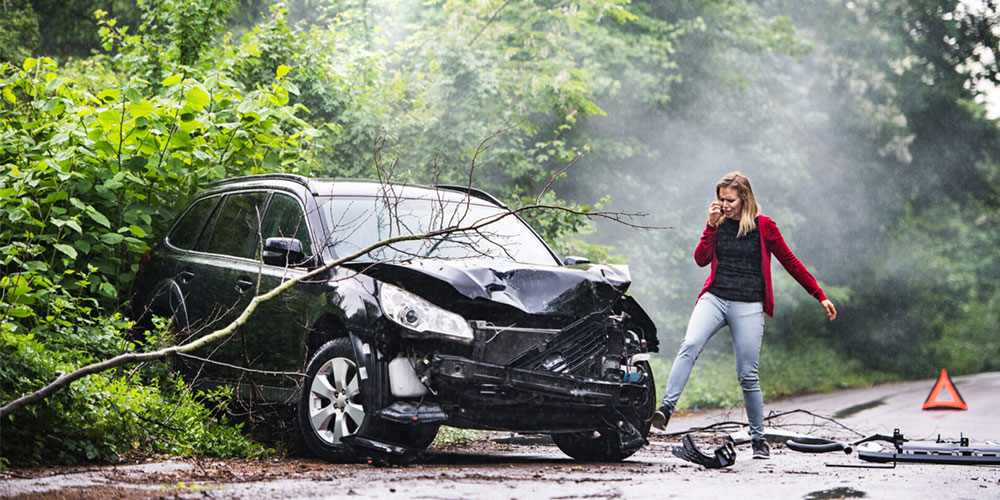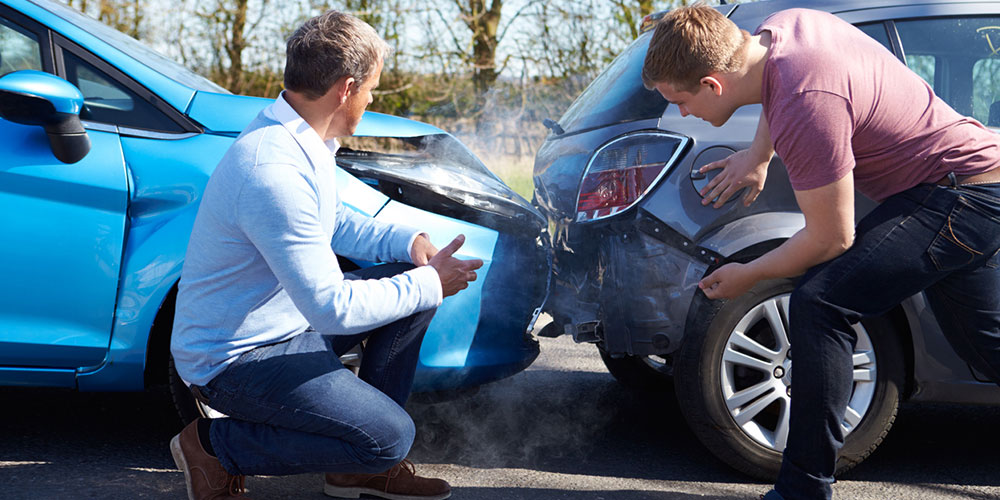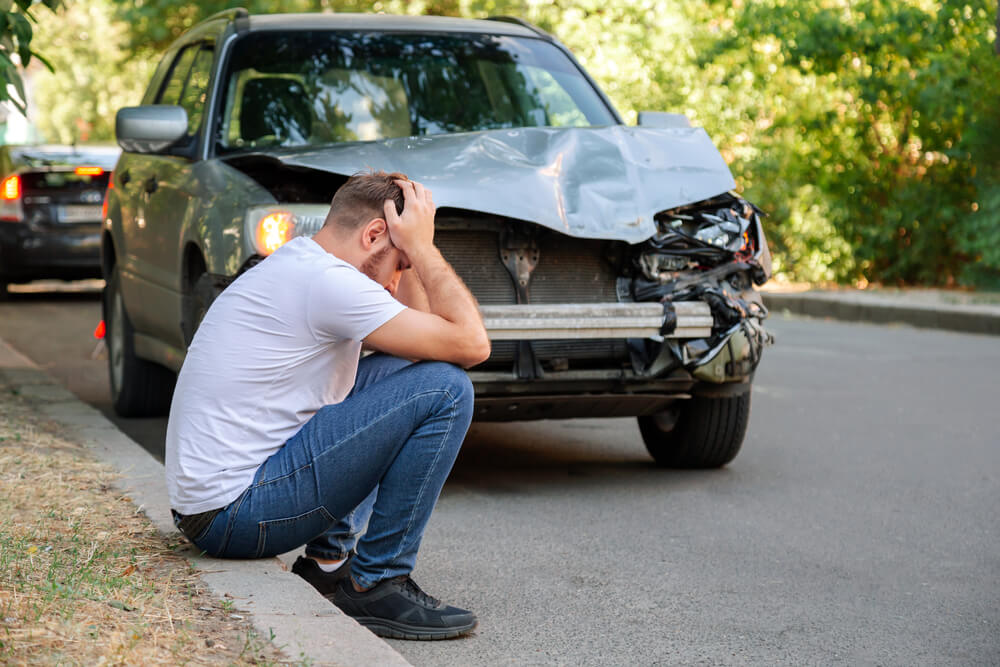

One of the biggest concerns for vehicle owners after a serious accident is whether their insurance company will repair the car or total it. For many drivers, it can be a confusing, stressful, and financially overwhelming process, especially when the insurance company presents a settlement amount that looks far less than expected.
Insurance companies use different methods and legal standards for the same case to determine whether your car qualifies as a ‘total loss.’ But few people know exactly how these methods work, how the negotiation process works, or what legal rights they actually have to protest an unfair offer.
If you want to make the most of your financial recovery after a serious collision, learn how the total loss claim California process works. No matter whether your car was damaged in an accident, wildfire, theft, or flooding, understanding how your insurer determines the value of your car can help you make more informed choices and avoid settling for less than what you truly deserve.
In this post, we’ll describe how insurers calculate California total losses, how the total loss threshold California is applied, why these cases are disputable, and how a professional total loss appraisal California can help you get the best deal.
A “total loss” means that the insurance company has determined that it is impractical or unsafe to repair the vehicle. However, this does not necessarily imply that the car is completely irreparable. Many times, cars with repairable damage are still considered total losses because the cost of repairs exceeds the market value of the car. A total loss claim in California often occurs as:
Insurance companies will weigh various financial factors in deciding whether to repair the car or write it off as a total loss.
California uses what is commonly referred to as the Total Loss Formula (TLF) and not a fixed percentage threshold, as some states do.
The Total Loss Formula (TLF) requires insurers to compare:
Actual Cash Value (ACV) vs. Repair Costs + Salvage Value
If the sum of repair cost plus salvage value exceeds the car’s ACV, the insurer may 'total' the vehicle.
For instance:
The combined total exceeds the ACV, and the insurer may consider the car totaled. This flexibility is one of the reasons why disputes over settlement values are common in the total loss threshold California process.
Actual Cash Value (ACV) is the likely sale price of your vehicle just prior to the accident. Insurance companies spend a lot of time and effort evaluating ACV, using:
It is one of the most critical numbers in acquiring a settlement in any total loss claim in California. Unfortunately, many policyholders find that insurance companies often undervalue vehicles during this process.
Insurance companies estimate the value of your vehicle using valuation systems, databases, and third-party reporting services. These systems can analyze:
But it’s not always the case that insurers pick the highest comparable values available. In some instances, they may:
This is the primary reason drivers look for a professional total loss appraisal California review.
Repair estimates are a key component in determining whether the vehicle is a total loss. Modern vehicles come with an assortment of sophisticated features, such as:
The salvage value of the damaged vehicle after an accident is the price at which you can sell the vehicle. Insurance companies estimate what salvage buyers/dismantlers will pay for the damaged vehicle. Higher salvage values can bring a vehicle closer to total loss.
Demand for vehicles may be higher. Demand drivers are:
Insurers consider:
Good-condition vehicles may get a higher settlement.
In 2026, a number of trends in the industry are leading to more cars being totaled.
Modern vehicles are more costly to repair than ever before because:
Shortages of replacement parts continue to affect repair timelines and costs.
Labor costs can really add up to the estimates for repair.
Many vehicles that might have been repaired years ago are now being declared total losses.
Many policyholders are surprised when they get their first settlement offer. Typical disputes include:
Often, the cost of replacing their vehicle is much more than the insurer is offering drivers, he said. This is particularly the case in California because:
Professional total loss appraisal California can help policyholders fight unfairly low settlements. Independent appraisers may inspect:
An independent appraisal can help document a higher amount for the settlement. This can often assist drivers in getting better deals with insurers.
Hidden damage is a leading reason insurers adjust repair decisions. The repair shops may find more damage when they start to take the vehicle apart, such as:
Additional repair estimates can also add significantly to the costs. This often exceeds the total loss threshold California calculation limit for vehicles.
Electric vehicles are a major factor in modern-day total loss claims. More likely to be totaled because of EVs:
Even minimal damage to the battery could mean a total loss declaration.
Yes. But many drivers are under the mistaken impression that an insurance settlement offer is the final answer. In practice, policyholders can negotiate by:
That’s why it’s so important to take a close look at the insurer’s valuation report.
The settlement is usually paid to the lender first if your vehicle is financed. If the settlement is more than the loan balance, you take the rest of the money. You could still owe money even if you have GAP insurance. This is a common circumstance because vehicles depreciate rapidly.
GAP insurance covers the difference between:
The amount of the insurance payment
As an example:
Loan Balance Outstanding: $36,000
Insurance payout: $30,000
Without GAP coverage, the owner would still owe $6,000 after the car is totaled.
Yes. California drivers can keep their vehicle after it's totaled. This means that:
But there is a risk to storing a salvage vehicle:
Vehicle owners should consider carefully if it is financially feasible to keep the salvage.
You can usually negotiate a starting offer.
Drivers should shop around for local listings before settling.
Premium features, wheels, sound systems, and upgrades can add value.
You might find the insurer’s calculations are way off.
Delays make negotiations harder and slow down the settlement process.
Snap a photo of:
Except:
Check it:
A professional total loss appraisal in California can identify undervaluation problems.
Claim disputes are being driven by several market conditions:
The insurer’s offer often doesn’t allow many consumers to replace their vehicles. This has made independent appraisals increasingly important during a total loss claim settlement in California.
This whole loss process can be overwhelming, especially when insurance companies use complex calculations and evaluation methods. ADR-Claims assists California drivers:
If your car was damaged in a crash, wildfire, flood, or theft-related incident, you can turn to professional help for assistance to protect your financial interests.
Understanding how insurance companies calculate a total loss claim in California after a major accident is important. Insurers may use repair costs, salvage values, and market data to determine if a vehicle is totaled, but many settlement offers won’t reflect the true replacement costs.
Disputes are very common because California's total loss system is highly dependent upon valuation formulas and insurer computations. A professional total loss appraisal California can help you make sure your vehicle is appraised fairly, and your total loss claim settlement California matches the current market value.
Is your vehicle a total loss, or do you think you’ve been given a low settlement offer? At ADR Claims, we can help you understand your options and get you what you’re entitled to. Call us today for a free consultation that could increase your total loss insurance settlement through ADR Claims appraisal services.