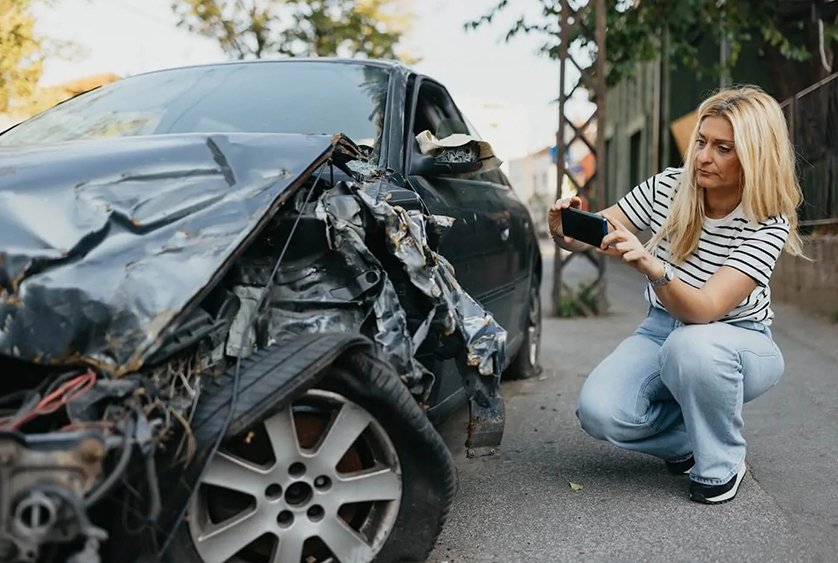
Dealing with repairs will be extreme stress when it comes to your car, but what you will go through after an accident has occurred and the vehicle is declared a total loss (total loss) is much greater than just dealing with vehicle repair issues. Many people suddenly find themselves in negotiations with their insurance company regarding confusing valuation reports, settlement offers, salvage values, and other terms. Many California drivers will simply assume that the insurance company will provide a fair payout without question.
However, a total loss claim in California can be quite frustrating for policyholders when their insurance company undervalues the vehicle. Many policyholders accept the first offer because they do not know they have the right to request a higher offer.
Understanding the claim process is an important part of successfully resolving your claim. At ADR-Claims, we provide drivers living in California professional assistance with negotiating an insurance dispute regarding the valuation of their vehicle, negotiating the total loss settlement, and providing expertise in the appraisal process. Knowing your rights under the total loss claim process can help you preserve your financial interest, whether you are negotiating an initial offer that is less than you believe is fair because you know how to challenge it or negotiating a total loss appraisal in California.
The Guide to a total loss claim settlement in California provides you with the information that the average policyholder in California does not receive from their insurance company regarding how the insurance company arrives at total loss amounts, how total loss amounts are calculated, your rights, and what you need to do to ensure you receive the maximum total loss settlement amount.
In California, an automobile is deemed "totalled" when the vehicle's major repair cost plus resale (salvage) value equals or exceeds (is equal to/or greater than) the vehicle's actual cash value (ACV). California uses different formulas than other states that have set a percentage threshold.
The formula is:
Major Repair Cost (excluding any incidentals) + Salvage Value = Actual Cash Value (ACV) If your insurance company finds that it will exceed the value of your car to repair the vehicle, the insurance company has the right to declare your car totaled.
For example:
Since the combined total exceeds the ACV, the insurer may classify the vehicle as a total loss. California does not use a strict percentage threshold like some other states. Instead, insurers determine whether repairing the vehicle is economically reasonable.
One of the biggest areas of dispute in a total loss claim California case is the actual cash value. Usually, auto insurance companies will define "Actual Cash Value," or ACV, as the fair market value of an automobile immediately prior to the loss (accident). In California, regulations generally will interpret ACV as fair market value unless the policy states otherwise. However, sometimes insureds will be surprised when they find out that their insurers can and do:
This is where disputes often begin.
Many people believe the insurer’s initial offer is final. It is not. Insurance companies often start with lower settlement offers, expecting that many drivers will accept them quickly. If you believe the valuation is inaccurate, you can challenge it. You have the right to request:
Claim specialists at ADR-Claims often assist consumers in identifying errors in insurer valuations and requesting just compensation.
Insurers frequently use third-party valuation software to determine ACV. The problem is that some “comparable” vehicles may differ significantly from yours.
Differences may include:
If your car had low mileage, recent upgrades, premium wheels, new tires, advanced technology packages, or excellent maintenance records, those details matter. A proper total loss appraisal California review can uncover major discrepancies that increase your settlement value.
Vehicle condition significantly impacts ACV.
If your vehicle were
…then your payout should reflect that.
Unfortunately, insurers sometimes classify vehicles as being in “average” condition without proper inspection. Even a small adjustment in condition rating can significantly affect settlement amounts.
California policyholders may have appraisal rights under their insurance contracts. The California Department of Insurance explains that many policies contain an appraisal provision that allows disputes regarding total loss settlement amounts to be resolved through an appraisal process.
This process often includes:
This is why professional assistance with total loss appraisal California claims can make a major difference.
Insurance adjusters may pressure claimants to settle fast. Many drivers accept because they need transportation immediately. But once you accept and sign the release, reopening the claim can become difficult.
Many vehicle owners never compare the insurer’s valuation against the actual market. Review the following sources to determine the fair market value of your vehicle:
If you find other vehicles similar in make/model/year are selling for significantly more than what your insurance company has offered you as a settlement amount, you may have an opportunity to dispute the settlement.
Receipts matter.
Recent investments such as:
…can help support higher valuation arguments.
A professional total loss appraisal in California can reveal a huge difference between the insurance company's valuation and its actual value. Most clients are unaware that they can dispute the value given by the insurance company.
While determining the vehicle value, several elements are considered, such as:
Higher market demand makes a vehicle's market value higher (e.g., luxury and specialty items).
The lower a vehicle's proper mileage, the higher the actual cash value (ACV).
The overall mechanical, structural, and visual condition of the vehicle will affect its value.
Pricing trends for vehicles vary by location (e.g., the same vehicle might sell for less in Los Angeles than it would in Sacramento or San Diego).
Previous accidents on a vehicle will also reduce the vehicle's value.
The insurance company will use the estimated resale value after the accident to determine the total loss settlement value.
Recent laws and regulations protect California consumers against fraudulent claims filed with an insurance company. Insurers have specific responsibilities when they evaluate a total loss automobile claim, as required by the California Code of Regulations:
Being aware of these protections may help you receive enough money for your loss.
Yes, in many cases you can retain the vehicle.
This is often called “owner retention.”
If you choose this option:
Keeping the vehicle may be better if:
However, salvage title implications should be considered carefully.
Independent appraisals are one of the strongest tools consumers have during a disputed total loss claim settlement in California.
Licensed professional appraisers help people whose automobiles have been declared a total loss settle their claims. The appraiser provides appraisal values for comparable vehicles, adjusts valuation based on necessary vehicle repair/restoration, verifies the value of the vehicle to be compensated from an insurance policy, and provides required documentation.
These factors affect a claim's settlement time.
A straightforward claim could be settled within weeks, but a disputed valuation will likely take longer. In general, the more organized your documentation is when you submit it for appraisal, the more it will often help make the appraiser's job smoother.
Keep:
Search local California listings for vehicles similar to yours. Focus on similar mileage, trim, options, and vehicle condition.
Look for incorrect trim, unreasonable deductions, wrong mileage, missing options, and old market comparisons.
Professional claim assistance can uncover errors many policyholders miss.
This is especially important for:
Vehicle prices have changed dramatically in recent years. The following factors may contribute to the problem:
Due to these market conditions, older valuation methods are no longer valid to reflect replacement costs today. If a consumer does not challenge an inaccurate valuation, they could lose thousands of dollars.
Some examples of what to look for include the following:
If you see any of these signs on your claim, you should consider requesting a professional review of the claim.
ADR-Claims helps California consumers navigate complex total loss disputes with professional appraisal support and claim assistance.
Services may include:
For many consumers, professional representation helps level the playing field against large insurance carriers.
A total loss claim California process occurs when an insurance company determines that repairing a damaged vehicle is not economically reasonable compared to its actual cash value.
A total loss appraisal California process involves independently reviewing the insurer’s valuation to determine whether the settlement offer is fair and accurate.
Yes! You do not have to accept the first offer from your insurance company if you believe your vehicle is worth more than what they assessed it at.
There are no specific percentages for determining total loss. A formula is used in California to calculate the total loss value of a vehicle.
In many circumstances, yes; however, the total loss carrier may require you to pay a premium for your vehicle once it has been declared a total loss and when your totaled vehicle is sold.
The process of getting paid for a total loss claim settlement in California can be very confusing for drivers because insurance companies typically move quickly and provide estimates that are hard to follow. Many drivers have accepted payment amounts significantly lower than the actual vehicle value. If you are not clear about your rights or if you would like to be able to challenge the amount of the settlement, reviewing the appraisal report carefully and/or obtaining professional assistance with your appraisal could make a significant difference in the amount you receive.
You must obtain a copy of the appraisal report, and if you are going to dispute a claim amount, engage the help of an experienced professional. Whether you dispute a low settlement amount, review your appraisal rights, or need help with a complex total loss claim in California, having experienced professionals will make a big difference in your experience. At ADR-Claims, we help Californian drivers understand their options, dispute unfairly low or inaccurate appraisals, and obtain an equitable total loss claim through valuations and/or appraisal assistance and support. Taking the time today to understand the process for your total loss claim could save you thousands of dollars tomorrow. Contact us right away, and we will teach you all about total loss appraisals.