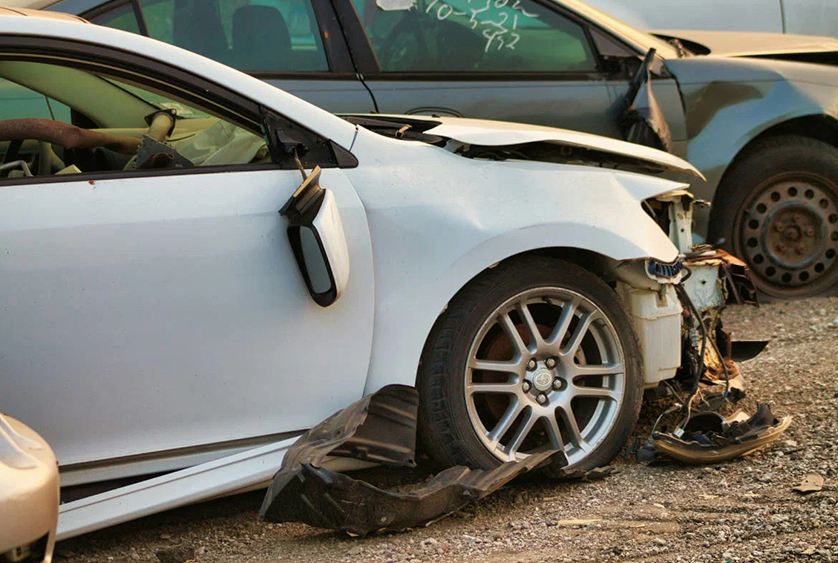
After a serious car accident, one of the most frustrating moments for drivers is being told by the insurance company that their vehicle is a total loss. Many Florida drivers think a car has to be completely destroyed to be totaled, but that’s not always true. Insurance companies have very specific formulas and ways of valuing a car to determine if it makes sense financially to repair it.
Florida laws in 2026: Understanding the total loss threshold and 5 ways to protect yourself from low settlement offers. How insurance companies value your vehicle after an accident. As vehicle repair costs continue to rise across Florida, more drivers are caught up in complicated insurance disputes over vehicle valuations and total loss settlements. No matter if your accident was a collision, flooding, hurricane damage, or any other type of accident, understanding how the claims process works can help you maximize compensation.
In this guide, we’ll examine how Florida total loss laws work, how insurers determine vehicle value, common settlement problems drivers face, and how ADR Claims helps clients navigate the claims process more smoothly.
Most often, a vehicle is considered a total loss when the cost of repairs is close to or exceeds a large percentage of the vehicle’s actual cash value. When it comes to Florida insurance, insurers look at:
If the cost of fixing the vehicle is no longer financially viable, the insurance company may deem it a total loss and pay a settlement instead of picking up the repair cost. It’s important to understand how the total loss threshold of the Florida system works, as the insurer’s valuation impacts the amount you get.
Florida has a statutory threshold that dictates when a vehicle is considered a total loss.
In general, vehicles are considered to be totaled when the costs of repairing the vehicle are about 80% or more of the actual cash value of the vehicle.
Suppose your car's market value before the collision was $20,000.
Estimated repair cost: $16,500
If the cost of repairs is more than 80% of the value of the car, the insurer may decide it is a total loss.
In 2026, repair expenses, labor costs, and vehicle technology continue to rise, so many vehicles now reach the total loss threshold in Florida more quickly than in past years.
Several factors are fueling the rise in total loss claims across Florida.
Modern vehicles are full of expensive-to-repair advanced electronics, cameras, sensors, and safety systems.
Florida weather events cause severe damage to vehicles that insurers label as total losses. Disruptions to Supply Chain. Due to parts shortages and long times to repair, any total loss claim will have increased costs and higher storage fees.
Battery systems and specialized EV repairs can easily inflate repair estimates. These factors have made the Florida total loss claim process a more common occurrence and often a more complex one for drivers
One of the most important parts of a total loss settlement is determining the vehicle’s Actual Cash Value (ACV) before the accident. Insurance companies generally determine value by:
But insurers don’t always get these numbers right. In some cases, drivers find that the comparable vehicles that insurers use are inaccurate or undervalued. This is where a professional total loss appraisal in Florida can be very helpful.
A total loss appraisal in Florida is an independent appraisal to determine the fair market value of your vehicle before the accident. Normally, the process consists of:
Independent appraisals can help highlight differences in valuation and provide evidence to support a larger settlement. Clients who believe their insurer has undervalued their vehicle in the settlement process often resort to ADR claims.
That’s where a lot of Florida drivers get into trouble: total loss settlements.
The insurance companies may pay you less than it actually costs to replace the vehicle.
Some values are based on vehicles with fewer options or different conditions.
Valuation may not include premium packages, aftermarket additions, or recent repairs.
Long claim processing times can lead to transportation and financial problems.
“Drivers are often encouraged to take the first offer before they’ve seen the details. Knowing your rights in a total loss claim in Florida can help you avoid costly mistakes.
If your insurer totals your vehicle, taking the right steps can help protect your financial interests.
Obtain a full copy of the insurance valuation report and check it for errors. Look for:
Even small errors can make a big difference to your payout.
Proper documentation will also improve your bargaining position with the insurance company. Examples of helpful documents include:
Compare your vehicle to other comparable vehicles that are for sale in Florida today so you can verify that the insurance company's valuation is based on reasonable replacement costs.
A professional Florida total loss appraisal will give you an impartial opinion of what your vehicle is really worth in the marketplace. If the insurance offer seems unfair, it may help your case.
You don't have to accept the first settlement offer right away. With the right valuation evidence and documentation, many claims are negotiable.
Some policies include appraisal clauses that provide for disputes to be settled by independent appraisers. Knowing your rights can give you the power to fight low offers.
ADR Claims helps drivers navigate their automotive insurance claims when they are trying to negotiate with their insurance company for settlement or vehicle value. Here are a few examples of how ADR Claims staff can help clients with auto claims:
With more total loss disputes projected for 2026, past experience with claims resolution will assist individuals with understanding their options and obtaining a fair settlement. Whether your vehicle was damaged in a collision, flood, or hurricane-related event, ADR Claims works to help clients navigate the process with more confidence.
In some cases, Florida drivers may opt to keep their totaled car. If you keep the vehicle:
But salvage-title cars often come with resale and insurance restrictions.
In order to improve your outcome during a total loss claim in Florida, think about these crucial tips:
Keep all communications, estimates for repairs, and claim documents.
Make sure the insurer has vehicles similar to yours in the local Florida market.
Take your time to study the valuation carefully before signing anything.
Independent appraisers and claims experts can help uncover undervalued offers.
Florida drivers have the right to challenge inaccurate values of their vehicles and obtain just compensation.
Total loss threshold, Florida rules 2026: What you need to know to protect yourself financially after an accident. More vehicles are being totaled in Florida than ever before, due to rising repair costs, sophisticated vehicle technology, and extensive weather-related damage.
If you feel that your insurance company undervalued your vehicle or made an unfair settlement offer, you do not have to go through the process alone. A professional total loss appraisal in Florida can be important evidence to help you make a stronger claim and improve your settlement outcome.
ADR claims help Florida drivers handle the claims process with confidence and clarity. If you have a tough total loss claim, call us back today to discuss your claim and learn more about your options to maximize your insurance settlement.