Car accidents are stressful, and your insurance company declaring your car a “total loss” can make it even more stressful. Many California drivers are surprised to learn that a car doesn't have to be completely destroyed to be declared a total loss. Knowing California total loss criteria allows you to defend your rights, secure a fair amount of compensation, and, most importantly, avoid repeated losses while you wait for a decision about the total losses under your policy.
As repair costs continuously increase, insurers develop new insurance practices. Therefore, it is important for you to know how to file a total loss claim with your insurer so that you do not continue to lose money through the claims process.
This guide will cover: how an insurer determines whether a vehicle is a total loss, the total loss criteria in California, the appraisal process, and how you can receive maximum compensation. To help drivers who aren't able to reach an agreement regarding vehicle loss value, alternative methods of dispute resolution (ADR) will also be reviewed.
A total loss will occur when an insurance company has determined that it costs more to repair a vehicle than the actual cash value (ACV) of that vehicle, and, therefore, instead of repairing the vehicle, pays a settlement to the insured based upon the fair market value of the vehicle before the motor vehicle accident occurred.
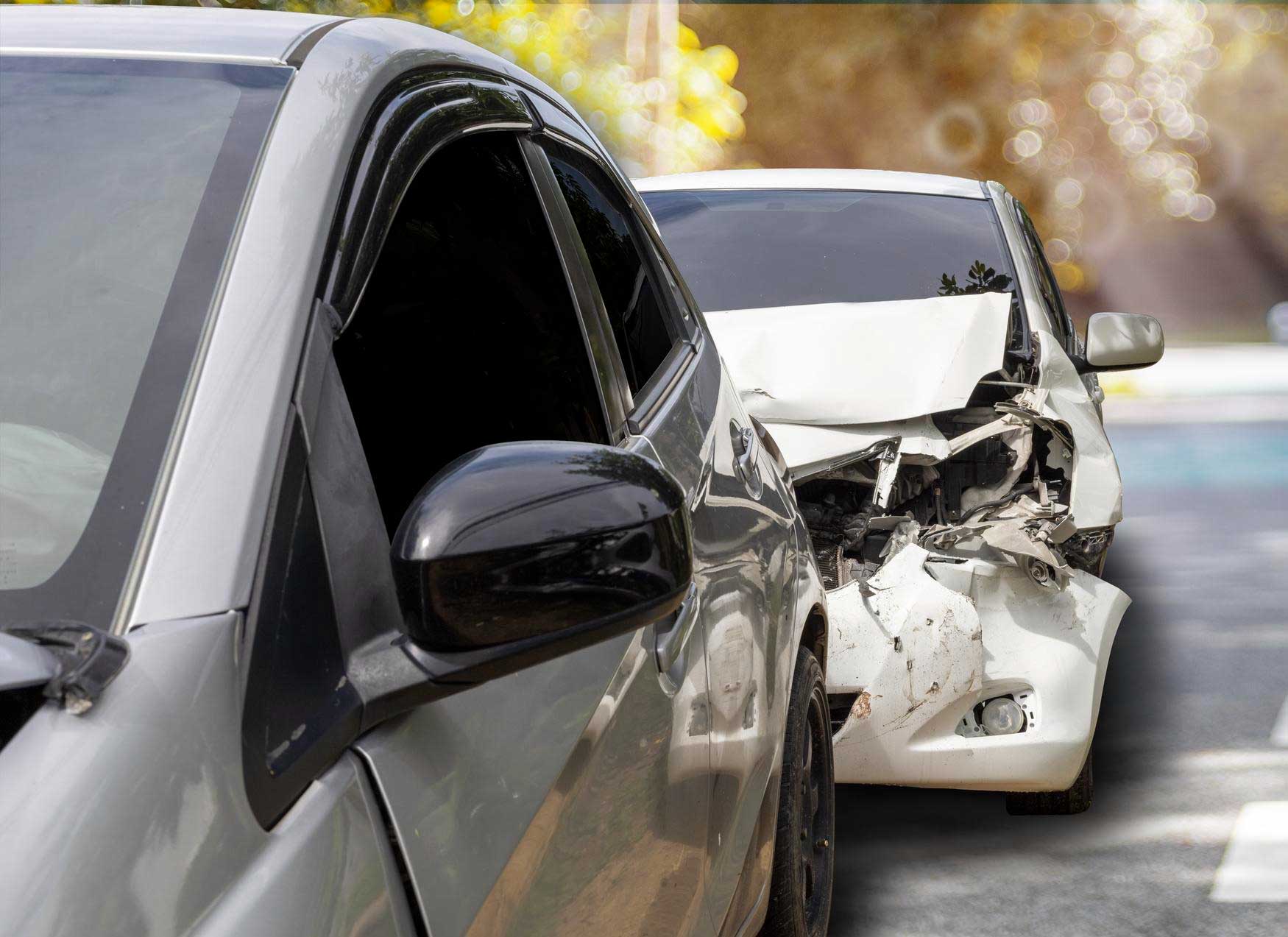
Many drivers think a totaled car is a completely wrecked vehicle, but that's not always true. Even a vehicle with minor damage may be declared a total loss if the cost of repairs, labor, storage, and diminished value exceeds the maximum dollar amount an insurance company will pay.
California does not have a strict fixed percentage like some other states. Instead, insurers often use a formula that compares:
That’s why it’s so important to understand the total loss threshold California process.
Instead of states that require a mandatory percentage threshold, California uses what is commonly known as the “Total Loss Formula” (TLF). The insurance company will usually compare:
Actual Cash Value = Repair Costs + Scrap Value
If the cost of repairs plus the salvage value equals or exceeds the value of the vehicle before the accident, the insurer may declare the vehicle a total loss.
For example, your car was worth $18,000 before the accident.
Repair estimate: $12,500
Salvage value: $6,000
Because the total equals $18,500, the insurer can declare the car a total loss.
The total loss claims process in California is one of the most important aspects of the claim and impacts the amount of money you will receive as a result of the total loss claim.
As we move into 2026, there are a number of different industry trends that will contribute to the increase in the number of total loss claims declared in California.
Modern vehicles have safety systems, sensors, cameras, and electronic parts that are costly to replace. Even minor accidents can result in repair estimates that run into the thousands of dollars.
The increasing cost of labor in the repair industry is contributing to many of the total loss claims in California. Its cost will continue to increase and contribute to the overall cost of repairs.
With continued delays in the supply chain, vehicles and equipment will become more expensive to store, rent, and repair until the vehicle can be repaired.
Repair costs are rising statewide due to EV batteries and specialized repair procedures.
This means more drivers are fighting with total loss claim California disputes than ever before.
The actual cash value of your vehicle is one of the biggest factors in any total loss settlement. Insurance companies generally use the following to determine ACV:
Unfortunately, insurers can use invalid comparisons or old market data to undervalue vehicles. That is where a professional total loss appraisal process in California is very important.
A total loss appraisal in California is an unbiased evaluation that is used to determine the fair market value of your vehicle before the accident. This appraisal may involve:
An independent appraisal of your vehicle can assist you in your ability to dispute any offers made by your insurance company that do not fairly represent the value of your vehicle. Generally speaking, drivers who are dissatisfied with the insurance company's valuation of their vehicle will seek assistance from their insurance claim through their independent appraiser.
For many drivers in California, the claims process is difficult. Some of the most common problems include:
Insurance companies usually give prices lower than the current market price.
Some insurers will compare vehicles from different regions or with different features to rationalize lower payouts.
The value of your car does not include aftermarket wheels, upgraded interiors, special features, or any type of recent repairs.
Insurance companies can drag out the process of investigating a claim, which can lead to delays as well as high stress and cost.
Insurance companies may pressure drivers into accepting the first offer for settlement without fully understanding their rights.
Understanding how the California system of total loss thresholds functions will help you avoid costly errors.
If your vehicle is totaled, do these things carefully.
Request the insurer to provide a breakdown of how they have calculated the value of your vehicle. Look for:
Gather documentation that may enhance the value of your car, such as:
If you are not happy with the settlement, a total loss appraisal in California can help your case.
Independent appraisals may indicate your vehicle was worth substantially more than the insurer’s estimate.
You don’t have to take the insurer’s first offer right away. Negotiation is often possible with proper documentation and valuation proof.
Some insurance policies contain an appraisal clause that provides for disputes to be settled by independent appraisers. Carefully review your policy or get advice from a professional.
ADR Claims assists motorists who are getting unfair or undervalued insurance settlements. Their team works to help vehicle owners better understand the claims process and challenge valuations that are not right. If you’re dealing with a denied claim, a low settlement, or are confused about the total loss claim California process, professional guidance can make a major difference. ADR Claims assists clients by
Vehicle prices are shifting rapidly in today’s market, making accurate valuations more important than ever.
In some cases, California drivers may be allowed to keep their totaled vehicle after they have settled. This usually means:
Reasons you may want to keep a totaled car:
But salvage-title vehicles may have a lower resale value and insurance restrictions.
Here are some tips that will help you improve your outcome when making a total loss claim in California:
Write down everything you say to the insurance company and save all correspondence.
See the listings for similar cars in your local California market.
Make sure you read the settlement thoroughly before you sign.
Independent appraisals and claims support services can help to unearth undervalued proposals.
If a driver in California feels their vehicle has been undervalued, they can dispute it and seek fair compensation.
Understanding the total loss threshold California process is important to protect yourself financially after an accident. As repair costs go up and vehicle technology becomes more complex, more vehicles will be totaled, making accurate valuations more important than ever.
If you’re facing a tough total loss claim in California, don’t accept the insurance company’s initial offer as final. A professional total loss appraisal in California can provide important evidence to help you achieve a better settlement.
ADR Claims makes it easier for California drivers to navigate the complex claims process with confidence and clarity. If you feel that your vehicle was undervalued or that your settlement offer is not fair, request a callback today to discuss your claim and learn about your options for maximizing compensation.