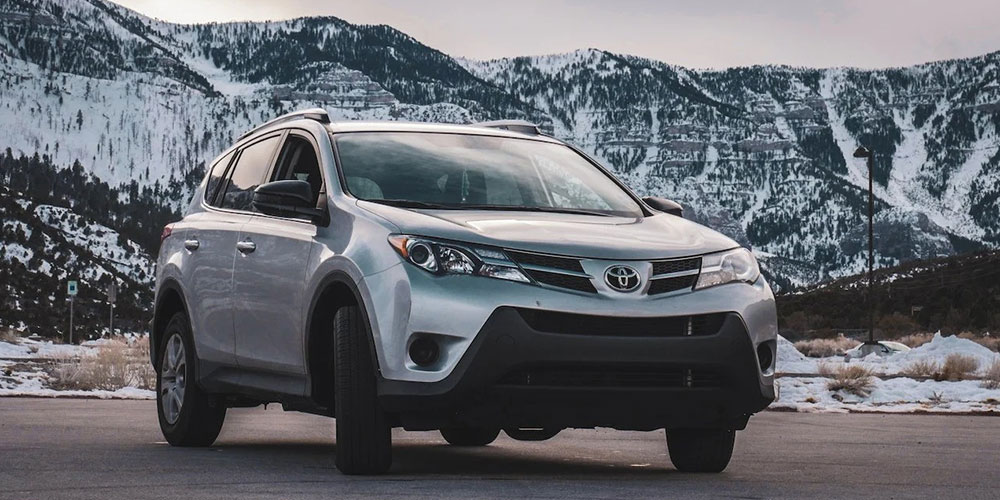

Car accidents can be stressful, confusing, and a financial headache. If the vehicle involved is totaled, it can leave a California driver helpless and without knowledge of their rights and the full value of their passenger vehicle. By 2026, more and more drivers in California will be dealing with the aftermath of serious car accidents and the claims process. If the insurance company has deemed your vehicle a total loss, it’s best to be aware of how the California total loss claim process works and what you can do to protect yourself and your finances.
You’ll have the best chance of winning your case and not accepting a below-true market value for your car if you are proficient in the total loss claim California process. And claims support staff, such as ADR Claims, will be able to support California drivers as they navigate total loss claims, vehicle valuations, and settlement negotiations following an accident.
Normally, motor vehicles are classified as a total loss if the estimated repair cost is higher than a predefined portion of that vehicle’s actual cash value. Insurers factor in repair costs, mileage, vehicle condition, market value, and salvage value to make that determination. An insurer will assess a vehicle after an accident and determine whether it makes sense to repair it, from an economic standpoint.
If the repair exceeds the value of the vehicle, the insurer may choose to total the vehicle and offer a settlement instead of paying for the repairs. A lot of drivers are concerned about whether the insurance will pay out at the actual value of the vehicle.
One important consideration in these cases is the total loss threshold that California insurance companies use to evaluate them. Unlike some other states, California does not have a statutory percentage threshold. Instead, insurers usually use a Total Loss Formula (TLF) that compares:
The insurer may declare the vehicle a total loss because the total cost of repairs and the salvage value of the vehicle may exceed the market value of the vehicle. Disputes on the value of a vehicle are common, as insurance companies use many ways to value vehicles. Drivers frequently feel their vehicles are worth more than the settlement offered to them.
One of the most important parts of a total loss claim California case is to figure out the actual cash value of the vehicle before the accident. Insurance companies typically use market databases, comparable vehicle sales, condition reports, and depreciation calculations. But valuation reports are not necessarily right. Factors that may influence value include:
If these details are missed or not valued, drivers could end up with less money than they deserve in settlement.
Many drivers believe the first offer made by the insurance company is their last, but this is not always the case. In reality, disagreements on total loss valuation are frequent.
Common concerns are:
Insurance companies can low-ball you on the vehicle based on wrong comparisons or stale data.
Incorrect trim, mileage, vehicle condition, or add-ons can impact settlement offer amounts.
The insurers might compare your vehicle to those in other regions or of different specifications.
Repairs or upgrades are missing. Recent maintenance work or upgrades may not be reflected in the valuation.
Lots of drivers don’t know the insurance jargon or how to negotiate.
Companies such as ADR Claims can provide professional assistance to drivers in understanding these issues and determining whether settlement offers are fair.
A total loss appraisal California process is a way to independently assess the valuation given by the insurer to check if the settlement offered is truly indicative of the market value of the vehicle. Independent valuations could include:
This process can help drivers find differences in the insurance company’s valuation report.
Many California drivers find an independent appraisal to be a useful tool in providing leverage during settlement negotiations.
In California, a total loss claim settlement typically means that the insurance company will offer a settlement based on the actual cash value of the vehicle, just before the accident.
The settlement may comprise:
But drivers should examine settlement documents very carefully before they accept an offer.
You’re too quick to accept a settlement, and you may not be able to negotiate down the road if you find out you made valuation mistakes.
If your vehicle is declared a total loss, taking the right steps early can help protect your interests.
Check for mistakes like:
Gather documents like:
Match up similar vehicles in your area to see if the insurer’s valuation is fair.
Check with a total loss appraisal California review to see if they notice inconsistencies or low valuations.
Take a while to look at all the details of your settlement before signing the final documents.
As the cost of cars continues to rise into 2026, many motorists are concerned about receiving fair payouts when they are in an accident. Automobiles have become more expensive to repair with the addition of technology, safety features, and customization that affect a vehicle’s market value. Claims support services are helping drivers to:
An experienced guide can help first-time consumers navigate the total loss process without stammering, so that the claims process becomes a confident one.
Car values can be harder to predict because of:
These market changes can affect a California total loss claim settlement because the settlement value is highly affected by current market conditions.
Settlement offers based on inaccurate or stale market information may not reflect the actual replacement cost.
That’s why a lot of drivers are paying more attention to the way insurance companies calculate total loss values after accidents.
Insurance companies will do their best to keep the price of claims down, but drivers are entitled to make sure that their vehicles are evaluated fairly. Independent claim and appraisal professionals may help with the identification of:
A detailed independent review can be a useful piece of evidence should disputes arise during settlement negotiations. ADR Claims helps drivers to understand their rights and gives them the chance to assess whether settlement offers are the true value of the vehicle.
Depending on their policy and situation, drivers may have several options after a total loss determination. These can be:
Knowing about these options can help drivers make better financial decisions after an accident.
Getting into a serious accident is difficult enough without the added stress of having to deal with a complicated insurance claim. Knowing how the total loss claim California process works can help drivers protect themselves financially and not accept unfair settlements. Informed drivers can often be better prepared to handle negotiation of claims and discussion of settlements, from reviewing valuation reports to understanding the total loss threshold California insurers use.
Independent support services, such as ADR Claims, can assist California drivers in understanding the appraisal process, assessing total loss claims, and reviewing settlement offers, post-accident. If you’ve recently experienced a vehicle total loss and need assistance with your claim, contact and book an appointment with ADR Claims today to find out how professional claim support can assist you with your total loss settlement in California.