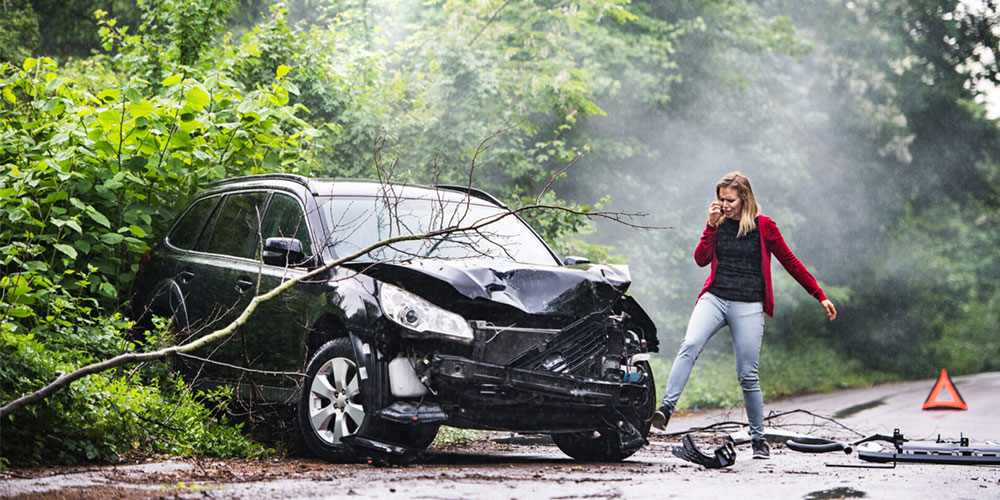
Suffering a serious motor vehicle accident can be a traumatic experience, but having the vehicle deemed to be a total loss by the insurance company can put you over the edge in terms of stress. In Texas, vehicle insurance providers have benchmarks that they utilize to determine if they should repair or deem a vehicle a total loss. If you understand the total loss threshold, Texas laws will help protect your rights, avoid receiving an undervalued settlement, and obtain the full and fair compensation you are entitled to.
As repair costs rise and it becomes more expensive to repair modern vehicles, total loss claims are becoming more and more common throughout the state of Texas. If your car was damaged in a collision, flood, hailstorm, or severe weather event, knowing how the claims process works can make a big difference in your finances.
In this guide, we’ll explain Texas total loss laws, how insurance companies determine settlements, common mistakes drivers make, and how ADR claims help vehicle owners pursue fair compensation.
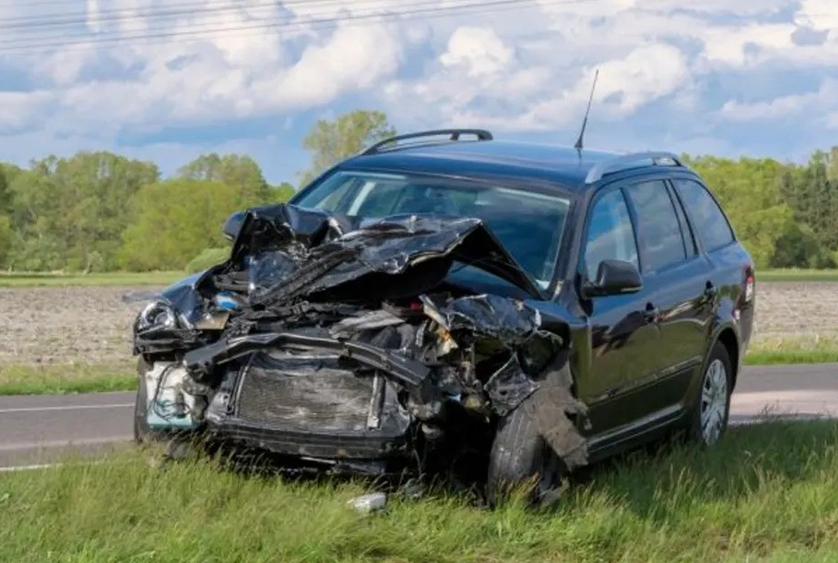
A vehicle will be considered a total loss when an insurance company determines the cost to repair it is more than what the vehicle was worth in the marketplace just prior to the accident. Generally, an insurance company will consider:
Where the cost to repair the vehicle exceeds the value of the vehicle, the insurance company will most likely declare the vehicle to be a total loss and will issue a settlement as opposed to paying for the repairs. Understanding the total loss threshold Texas process is therefore important because the decision made by the insurance company will dictate how much the settlement will be.
Texas generally uses a Total Loss Formula (TLF) rather than a fixed percentage threshold. Usually it looks like this formula:
Actual Cash Value ≤ Salvage Value + Repair Costs
If the total repair costs and salvage value are greater than or equal to the pre-accident value of the vehicle, the vehicle may be declared a total loss.
Example: Let’s assume that your vehicle had a value of $24,000 before the accident happened.
Cost of repair: $16,500
Salvage value 8,000
Total is $ 24,500, so the insurer can declare the vehicle a total loss.
As repair costs have skyrocketed in 2026, more Texas drivers are experiencing disputes in the total loss claim Texas process.
There are a number of factors that contribute to higher total loss rates across Texas. Repair costs on the rise. Today's cars have high-tech safety features, electronics, cameras, and sensors that are costly to repair or replace.
Hailstorms, flooding, and other extreme weather conditions are no new phenomena to Texas, and they can quickly wreak havoc on vehicles.
Replacement parts still cost a lot and, in some cases, are more difficult to get, which adds to the cost of repairs.
Special repair needs and EV battery systems can really add up to repair estimates. Such factors mean that even vehicles that have moderate damage may qualify under the total loss threshold of Texas rules.
Determining the ACV (actual cash value) of your vehicle is one of the most important steps in filing a total loss claim in Texas. The insurance companies utilize the following components to calculate the ACV of your vehicle:
However, many drivers have discovered that insurers may be undervaluing their vehicles by using inaccurate comparable vehicles or out-of-date pricing information. That’s why getting a professional total loss appraisal in Texas can be incredibly useful.
An independent total loss appraisal provides an assessment of the fair market value of your vehicle prior to the accident. There can be many steps involved in this process, including:
An independent appraisal can help you dispute low settlement offers and provide evidence for a more accurate valuation. Many clients come to ADR claims when they find that the insurance settlement offer does not match the actual value of the vehicle.
Many Texas drivers find the claims process to be a challenge. Some of the most common are:
And insurance companies will come in sometimes with offers that are below current market replacement costs.
Some insurers use similar cars with lower trim levels, fewer miles, or fewer options.
The valuation may not reflect customizations, premium packages, or recent repairs.
Financial stress and transportation problems can be caused by long claim reviews.
Drivers are often told to take the first settlement offer without even looking at the valuation details.
Knowing your rights in a total loss claim in Texas can help you avoid settling for less than you are entitled to.
If your automobile is totaled, there are several things you can do to improve your settlement outcome.
Always insist on receiving a full copy of the valuation report from the insurance company. Search for mistakes with:
Even small mistakes can make you pay heavily in payouts.
Good documentation can help support a higher valuation. Examples of useful records are:
Find current Texas market listings for vehicles similar to yours. This can help determine if the insurer’s valuation has taken into account realistic replacement costs.
A professional total loss appraisal will give you an unbiased determination of the actual worth of your vehicle. Independent appraisals are frequently used to demonstrate the difference in value and therefore assist in negotiating with the other party.
You don’t have to accept the insurance company’s first offer right away. In many total loss settlements, proper documentation and appraisal evidence can allow for negotiation.
Some policies contain appraisal clauses, allowing disputes to be arbitrated by independent appraisers. Knowing these rights can help you get a better outcome.
ADR claims assist vehicle owners with complex insurance settlement disputes and valuation disagreements. They help drivers with:
In 2026, it’s likely that total loss disputes will be more common, and experienced guidance through the claims process can be invaluable. ADR claims works to help clients better understand their options and pursue fair settlements, whether their vehicle was damaged in a collision, flood, or hailstorm.
In certain instances, some Texas drivers might prefer to retain ownership of a totaled vehicle. If you keep the vehicle:
This option makes sense if:
But salvage-title vehicles can impact resale value and insurance eligibility.
If you have a total loss claim in Texas, here are some important tips to keep in mind to protect yourself financially:
“Take the time to read all documents carefully before you agree to a settlement.”
Save emails, estimates, and all conversations pertaining to a claim.
Make sure the insurer is using similar vehicles from your local market.
Independent appraisals and claims experts can spot undervalued offers.
Texas drivers have the right to challenge inaccurate valuations and fight for fair compensation.
Texas laws 2026: Understanding the total loss threshold. It is important to know the total loss threshold in Texas laws following an accident to protect your financial interests. With the cost to fix vehicles and the complexity of the vehicle increasing, more cars are being totaled in Texas than ever before.
If your insurance company undervalued your vehicle or gave you an unfair settlement, you don’t have to go through the process alone. A professional total loss appraisal in Texas can help you to back a stronger negotiation to improve your settlement result.
At ADR claims, we are here to help Texas drivers navigate the claims process with confidence and clarity. If you are dealing with a tough total loss situation, call us back today to discuss your claim and find out what you can do to maximize your insurance settlement.