





A total loss refers to when a vehicle is destroyed or not financially worth repairing. In this situation, it happens when the car’s repair costs reach or exceed a certain percentage of its current market value or if it’s stolen or unrecoverable. Insurance providers declare the vehicle a total loss in this case.
In Texas and many other states, when a car is totaled, its owner may seek compensation from the insurance company. The process is pretty lengthy and begins with the owner notifying the insurance company about the accident. As the process is complicated and insurance companies tend to reduce settlement amounts, drivers often seek help from professionals like ADR Claims.
A total loss threshold is a certain point at which an insurance company declares a damaged or stolen vehicle a total loss. Depending on local laws or insurance policy, the threshold percentage can be between 50% and 100% of the car’s ACV (actual cash value).
The prior section discusses the total loss threshold in Texas and other states. But what happens after your vehicle is totaled? This section explains that.
The insurance company will inspect the car to assess the extent of damage and vehicle value. This assessment determines if the car is repaired or a total loss.
If the car is declared a total loss, the insurance company offers a settlement depending on the car’s ACV. The policyholder can review the offer and discuss or dispute it.
After your car is totaled, you have two options. First, you can transfer your ride to the insurance company. Second, if the state permits, laws, and policy allow, you can keep the damaged vehicle after you’ve adjusted its salvage value.
By keeping the totaled car, you must acquire a salvage title after the vehicle has been repaired. This title indicates that your car is significantly damaged.
Texas Total Loss FormulaACV is the current market value of a vehicle. An insurance company calculates a vehicle’s ACV by its age, condition, mileage, and market prices.
A car’s estimated repair cost is the expense for bringing it to its pre-accident condition. Repair costs include parts, labor, or other repair expenses.
Salvage value is the remaining resale worth of a damaged vehicle. When your vehicle is declared a total loss, the insurance company sells it to the salvage auction or recycler.
In the Texas total loss formula, the insurance company compares repair costs and ACV of the vehicle. If the repair costs + salvage value of the vehicle is equal to or higher than its ACV, the insurance company declares it a total loss.
There are four common mistakes car owners make when filing a total loss claim in Texas. These mistakes are as follows.
The very first offer from the insurance company may be lower than your car’s actual value. Carefully reviewing the offer and comparing it with your car’s market value is essential for fair compensation.
Many insurance owners don’t confirm the vehicle’s value. Reviewing standards, like mileage, condition, features, and local pricing, enables you to detect fault in valuation.
Specific insurance policies also cover personal belongings damaged or lost in the car, like electronics, clothing, or other valuables. Not reporting and retracing these items could lead to an overlooked payment opportunity.
If you decide to keep the vehicle, you may need to deal with the Texas salvage title and registration laws. Knowledge of these rules can help you avoid legal or monetary complications as we reach their conclusion.
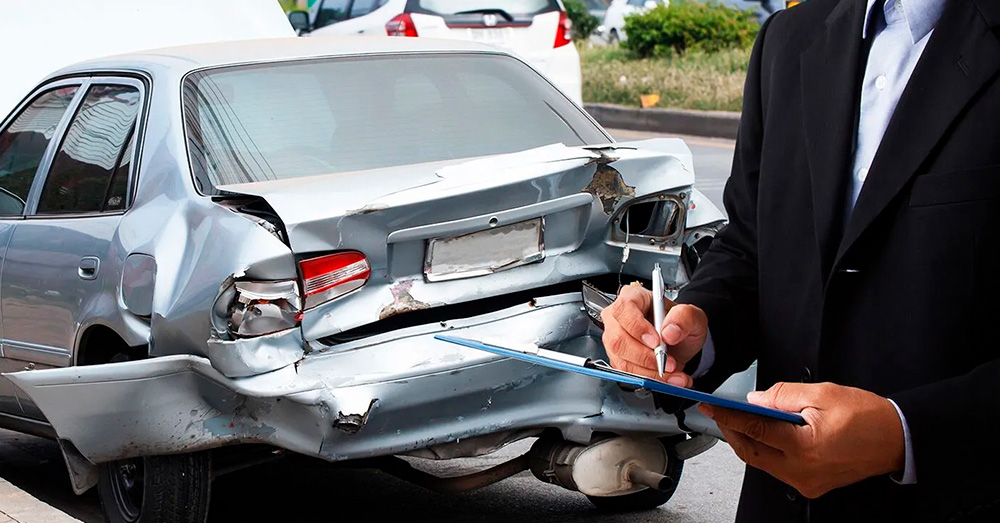
Here are tips to help you when filing a total loss Value claim to avoid possible problems.
After the accident, take clear pictures and video of your vehicle. These will be your point of material damage and will support your claim.
Save service receipts, correct repair invoices, and maintenance records for proof that your car has been well-maintained and to provide assistance in establishing its value when you submit a total loss claim in Texas.
Read your auto insurance policy carefully and become familiar with your coverage, deductibles, exclusions, and the total loss claim procedure. Knowing the policy’s terms means you are better equipped to make decisions.
The settlement—Thoroughly go over the insurance company’s settlement offer. Double-check before accepting the settlement offer that the value of the vehicle and other covered losses were considered appropriately.
If the insurance company has made a lower settlement offer or you have questions about your claim, consult with an insurance professional, like ADR Claims. A professional appraiser can advise you through the process and help you navigate it.
By now, you’ve been educated about a total loss threshold in Texas and claim settlement. If you want to file a total loss claim in Texas and you need professional help, feel free to call us. We are ADR Claims, a group of professional appraisers whose goal is to make sure every vehicle owner is entitled to a fair settlement for automobile insurance claims.
Our quick and simple appraisal process can help you recoup vehicle-related losses.
