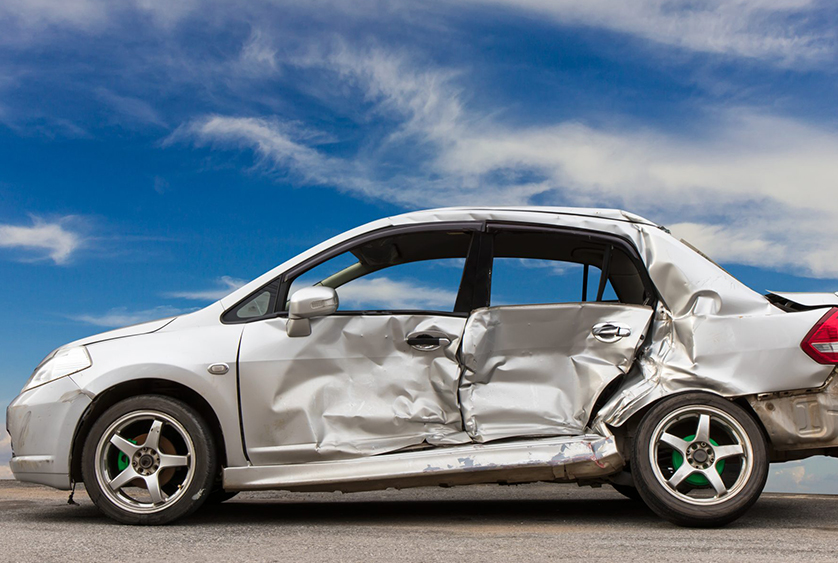
Having your car declared a total loss after an accident can feel overwhelming. One moment you are dealing with vehicle repairs and insurance paperwork, and the next you are being told your vehicle is “totaled.” Many Texas drivers are unsure what happens next, what rights they have, or whether the insurance company’s settlement offer is fair.
The reality is that a total loss claim Texas process can become complicated very quickly. Insurance companies often move fast, and many consumers accept settlement offers without fully understanding how vehicle values are calculated. Unfortunately, that can lead to thousands of dollars in lost compensation.
Understanding the process of receiving a total loss vehicle will be important for you, especially now that your vehicle has recently been declared a total loss. Every step in the process should be taken seriously; this includes reviewing the insurance company’s valuation report, determining what you need to provide to transfer ownership of the vehicle, and knowing how to dispute the valuation.
At ADR-Claims, drivers across Texas receive professional assistance with claim disputes, appraisal reviews, and settlement negotiations. Whether you are reviewing a total loss claim settlement in Texas or seeking a professional total loss appraisal in Texas, this guide explains exactly what to do after your vehicle is declared a total loss.
A vehicle is generally considered a total loss when the cost of repairs plus the salvage value equals or exceeds the vehicle’s actual cash value (ACV). In Texas, insurers evaluate:
When your car is officially declared a total loss, knowing the process involved is very important. You will want to know about the Texas total loss formula, how to get value from your insurance company, what to do about the vehicle title, and the different options available for disputing. Each of these areas will impact how much you will receive for your loss.
When the combined values total more than the ACV, your insurance company may determine that they will declare the vehicle a total loss.
One of the biggest mistakes consumers make during a total loss claim in Texas is accepting the insurer’s settlement offer immediately. The first offer is not always the best offer.
Most insurance companies use valuation software and third-party market reports to determine a car’s ACV. Errors found in a valuation report can lead to an incorrect final settlement amount.
Before agreeing to accept payment from an insurer, it is important to ensure that your copy of the valuation report contains:
To protect yourself financially, you must carefully review the entire valuation report.
The insurance company will pay you the actual cash value of your vehicle as of the time of the accident, not what you originally paid, and not the remaining balance of your loan. The following factors will contribute to the actual cash value of your vehicle:
Unfortunately, insurers sometimes undervalue vehicles by using questionable comparable listings or inaccurate adjustments. This is why many drivers seek a professional total loss appraisal in Texas when the settlement seems too low.
The insurance company will rely on recent comparables to justify its offer, but not all comparables are truly comparable. However, not all comparables are truly comparable. Common issues include:
As an example, if your truck had upgraded aftermarket wheels, a premium interior, or low mileage, those factors could make a significant difference in your final settlement.
Texas Vehicle Markets Can Vary Widely Between:
Different pricing in these different areas will directly affect the amount of your total loss settlement.
You can greatly enhance your overall position and the strength of your total loss claim settlement in Texas by having solid documentation for your vehicle. Documentation may include:
Oil changes, repairs, tune-ups, and inspection records will demonstrate proper maintenance and care for your vehicle.
Aftermarket upgrades could increase the value of your vehicle; for example:
Having new tires at the time of your total loss claim may help increase your overall value.
Having pictures of your vehicle before your accident can help show its condition.
Original window stickers or dealership paperwork may verify options and trim levels.
Many drivers mistakenly believe insurers automatically provide fair market value. That is not always true. Common valuation problems include:
Even for minor items, valuations can lead to losses of thousands of dollars. ADR-Claims specialists can help Texas drivers identify valuation issues related to total loss situations through good negotiation or dispute.
If you feel the settlement you received from your insurance company is not reasonable, there are many alternatives available to you. A few of those are:
The total loss appraisal Texas process provides the data required to evaluate if the value given by the insurance claim is equal to the actual market value of your motor vehicle.
You might consider retaining your vehicle after it has been declared a total loss by your insurance provider (also called “owner retention”). If you choose to keep the vehicle:
Keeping a Totaled Vehicle May Make Sense When:
However, it is important to evaluate the implications of having a salvage title when deciding whether to keep a vehicle.
If you have a loan against your car, the lender first receives their money from your insurance settlement, and then you will get paid. Here are some scenarios:
You get the leftover settlement balance after they pay the lender.
Unless you have GAP insurance, you will likely still owe the lender in this situation. This happens frequently on newer cars with long finance periods.
As part of the claim process for your auto insurance claim, insurance adjusters may want to take a recorded statement from you after an accident. Many drivers cause unintentional damage to their claims as a result of the following:
When speaking with insurers:
Communication accuracy is critical during the entire claims process.
Never rely solely on the insurer’s valuation. Research local listings for vehicles similar to yours. Focus on:
Look at:
This helps determine whether the insurer’s offer accurately reflects the Texas market.
Quick settlements often favor the insurer.
Errors are more common than many drivers realize.
Missing receipts may reduce your payout.
Texas markets vary significantly by region.
Early review provides stronger negotiation leverage.
Condition adjustments significantly influence actual cash value. Insurance companies evaluate:
If a vehicle is rated in average condition, its valuation could lose thousands of dollars. Having documentation, such as photographs, can support a more accurate identification of a vehicle's condition.
Independent appraisals will be able to point out:
Independent value appraisals are going to be extremely helpful in disputes regarding:
A professional review may provide valuable leverage during settlement negotiations.
Almost every condition associated with vehicle disputes in the Texas markets has increased within the last few years.
Because the vehicle value is changing rapidly, the systems used to calculate valuations will no longer be fair. Consumers who fail to dispute any inaccuracies in the value will typically receive far less than the vehicle's actual market value.
Watch for these warning signs:
These issues often indicate that a deeper review is necessary.
ADR-Claims assists consumers throughout Texas with professional support during total loss disputes. Services may include:
Many consumers simply do not realize they have the right to challenge inaccurate insurance valuations. ADR-Claims helps drivers better understand their options during a total loss claim settlement in Texas.
A total loss appraisal in Texas involves reviewing the insurance company's valuation to determine whether the paid settlement amount reflects the vehicle’s ACV.
A total loss claim in Texas occurs when the insurance company has determined that repairing your car will cost more than it is worth in actual cash value.
If you believe the insurance company's offer is incorrect and does not represent a fair calculation of your vehicle's value, you can negotiate with them.
Depending on whether the car was declared totaled before the claim settlement, you can keep it.
The insurance company will usually pay the lender out of your settlement first. If your loan is higher than the settlement amount, you may still owe money on the loan unless you have GAP coverage.
Getting your car totaled is a stressful experience. Many drivers in Texas feel they have to settle for less money than they should (or be compensated) by agreeing immediately without knowing how insurers determine the value of their vehicles. Good news! You may have other options than what was offered when the car first got totaled—reviewing the vehicle valuation report, documenting the condition of the vehicle, researching the values of cars in your area, and understanding your dispute rights may provide enough of a difference in how/when you settle your case overall.
Whether you are dealing with a disputed total loss claim in Texas, reviewing a low settlement offer, or considering a professional total loss appraisal in Texas, informed decisions are critical to protecting your financial interests. ADR-Claims helps Texas drivers navigate complex total loss disputes with professional valuation analysis, appraisal support, and claim guidance designed to help consumers pursue fair settlements after a vehicle loss. Contact us now for help.