

When an accident occurs, and your vehicle costs more than a specified percentage of its pre-accident actual cash value (ACV), then that means the car is a total loss. It is no longer economical to repair the vehicle. The percentage used to determine if your car was a total loss is called the total loss threshold.
By submitting a total loss claim, you can receive compensation for your totaled car. By committing your claim, your insurer will compensate you for your car's pre-accident ACV, minus salvage value and deductibles. A total loss claim can also be submitted in New Jersey in the case that your car is declared a theft and not recovered.
Below are a few New Jersey total loss claims you should know while filing a claim.
In New Jersey, the threshold for total loss is set at 75%. If the cost of repairing your car is equal to or exceeds 75% of your pre-accident ACV, it will be considered a total loss. Even if the cost of repair is below 75%, the insurer can still consider it a total loss if the cost plus your estimated salvage value equals or exceeds ACV.
By law, the insurer is mandated to respond within 7 to 14 working days from the point of inspection and begin negotiations to make a settlement offer. After receiving your settlement check, if you find a similar vehicle within 30 days, the insurance company must pay the price difference, negotiate the cost of the found car, or locate a replacement within 25 miles.
Your insurance claim payout must include the applicable sales tax and specific title/registration fees to replace your vehicle. Deductibles are reduced from the settlement amount.
You are allowed to keep the totaled vehicle in New Jersey. If you do, the insurer will deduct its estimated salvage value from your total payout. The insurance company will legally obtain the car’s title and apply for a salvage title from the state.
These are the steps to follow when you want to file a total loss claims in New Jersey.
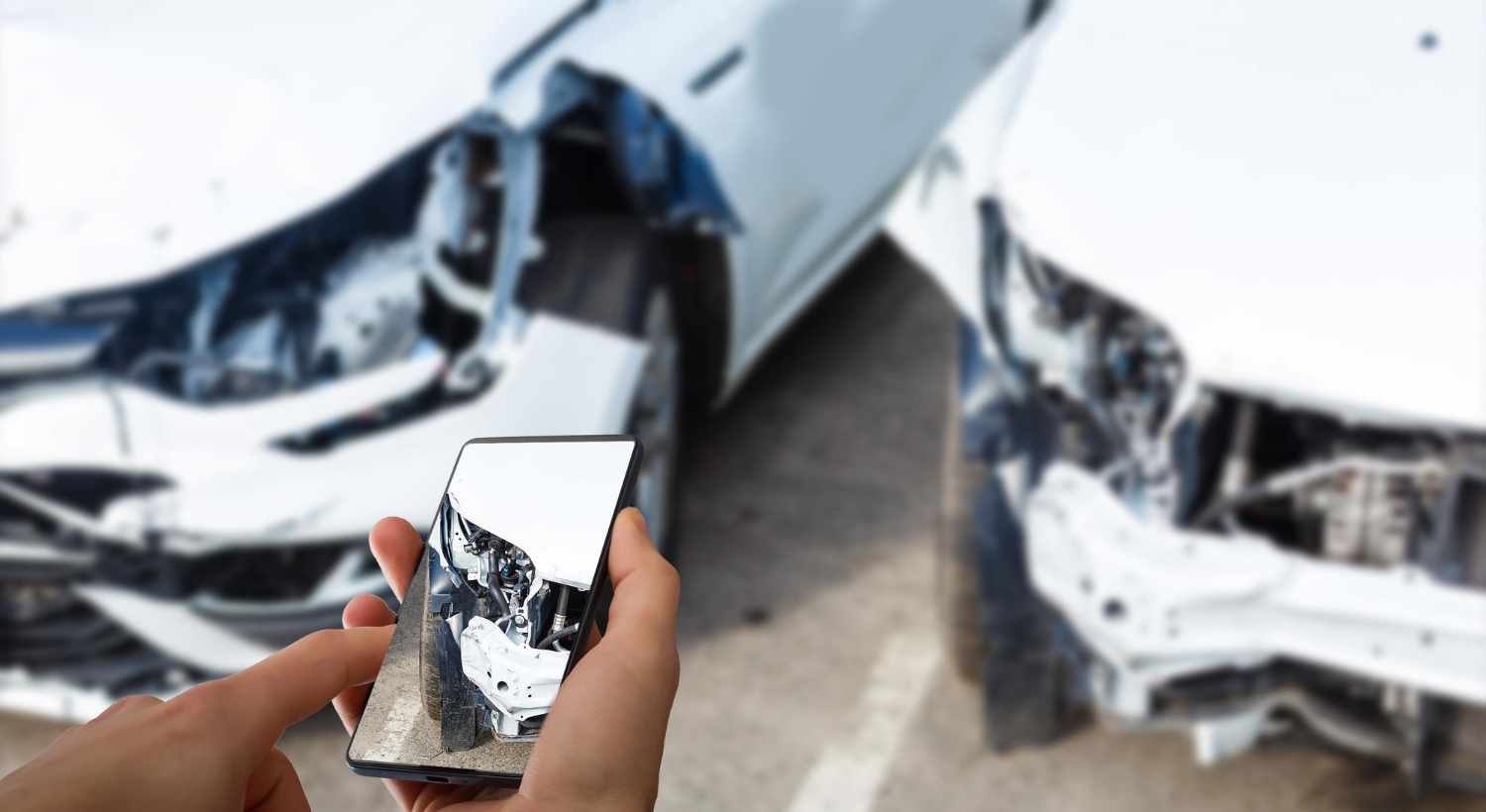
Insurers determine what your car was worth immediately before its accident. For this reason, they evaluate the car’s pre-accident condition, check market data, and use valuation manuals.
Insurers compare the estimated repair costs with the car’s ACV. If the repair cost is < 75% of the ACV, your car is repaired; otherwise, it’s deemed a total loss.
If your vehicle is totaled, the final settlement is determined using the following formula:
Payout = Actual Cash Value - Deductible.
Did you file a total loss claim in New Jersey, and did the insurer offer a low settlement payout? Here are the steps you can take to increase your payout.
In New Jersey, most insurance companies use proprietary valuation databases like CCC ONE or Mitchell to determine your car’s ACV. Ask the adjuster for the full valuation report and examine it for errors. Look for trim, mileage, and similar vehicles.
If you have spent money on your vehicle before its accident, you may be entitled to an adjustment. Collect receipts for a new transmission, timing belt, new tyres, brakes, or a battery installed in the last 6 months; and upgrades, like an aftermarket infotainment system.
Conduct research using Kelley Blue Book or Cars.com to find similar vehicles for sale in your locality. If you find similar vehicles with the same mileage listed with higher prices, let the insurer know about it as a counteroffer.
If the insurance company won’t back down and the valuation is less than fair market value, trigger the appraisal clause. Under this clause, both of you hire independent appraisers. They will determine a fair payout or hire an umpire to make the binding decision on the value.
In New Jersey, a total loss payout should reflect the full cost of replacing your vehicle. Ensure your payout includes reimbursement for New Jersey sales tax, title and registration fees, and pro-rated unused registration, if applicable.
Filing a total loss claim allows you to recover losses after your vehicle is extensively damaged and totalled by the insurer. Filing the claim and getting a fair settlement can be very difficult, since insurers intentionally lower your payout and use pressure tactics to settle the case. The solution is to work with a professional company, like ADR Claims, to navigate the entire process. We are a team of skilled and experienced auto appraisers. Contact us if you need assistance with a total loss claim, repair disputes, arbitration and umpiring, or other services.
Our quick and simple appraisal process can help you recoup vehicle-related losses.
